 Olivia Thompson
England and Australia's women's cricket teams meet in a T20 World Cup warm-up fixture on June 8, 2026, launching a tournament that will send thousands of Australian supporters scrambling for last-minute flights to England. Financial planners are warning that unprepared fans could spend upwards of $8,000 per person without a structured budget.
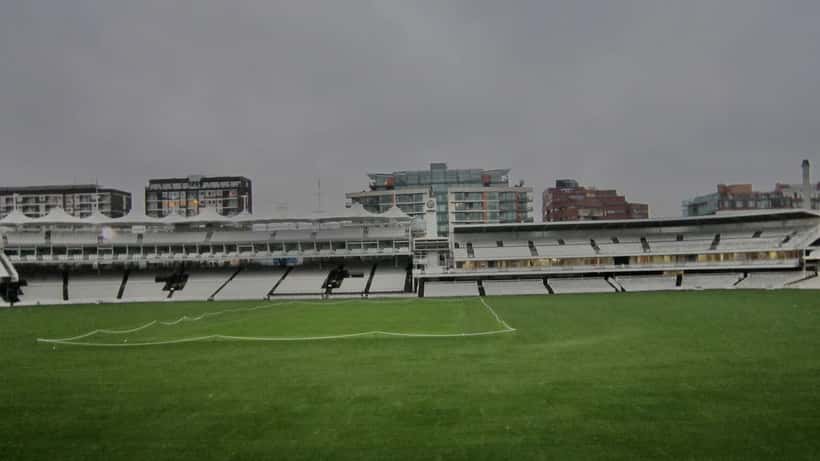
The ICC Women's T20 World Cup runs from June 5 to July 5 across England and Wales, with the host nation and defending champions Australia entering as joint favourites. Today's warm-up match at a preparation ground gives both sides their final hit-out before tournament proper begins, with Australia's opening group game against South Africa scheduled for June 13 in Manchester.
The Real Cost of Following Australia to England
Australian cricket tourism has evolved from a luxury pursuit into a mainstream middle-class expense. The Australian Bureau of Statistics reports that the United Kingdom remains the second-most popular long-haul destination for Australian travellers, with sports-related visits growing 18 per cent year-on-year since 2023.
For the Women's T20 World Cup, financial advisers estimate a seven-day cricket-centric trip to England costs between $5,200 and $8,700 per person from Australia's east coast. This assumes economy flights, mid-range accommodation, match tickets, ground transportation, and meals. Families of four can expect combined outlays exceeding $22,000.
Breaking Down the Budget
Airfares represent the single largest variable. Return flights from Sydney or Melbourne to London during June peak season range from $1,800 to $3,200 depending on booking timing and flexibility. Last-minute purchasers routinely pay premium fares that add 40 per cent or more to baseline costs.
Accommodation near tournament venues presents the second major expense. Hotels within walking distance of Edgbaston, Headingley, Old Trafford and Lord's command rates 60 per cent above comparable properties in non-cricket weeks. A standard double room in Birmingham during Australia's group matches averages $280 per night, while equivalent London properties exceed $350.
Match tickets for the Women's T20 World Cup range from £25 for general admission at smaller venues to £120 for premium seating at Lord's. Australian fans attending multiple matches, including potential semi-finals and finals, should budget £400-£600 per person for ticket allocations alone.
Ground transportation between venues catches many travellers off guard. England's cricket grounds are dispersed across multiple cities — Birmingham, Leeds, Manchester, Southampton and London — requiring internal travel that adds both cost and complexity. Rail fares between these cities average £80-£150 return when booked in advance, but walk-up prices can double during event periods.
Financial Planning Mistakes Australian Fans Make
Wealth management specialists identify three recurring errors among Australian sports tourists:
Underestimating currency fluctuation exposure. The Australian dollar has traded between 0.48 and 0.58 against the British pound over the past 18 months. A $10,000 trip budget converts to substantially different pound amounts depending on exchange rate timing. Fans who fail to monitor rates or hedge exposure through prepaid travel cards risk unexpected shortfalls.
Neglecting travel insurance with adequate coverage. Standard policies often exclude "change of mind" cancellations or sporting event-specific disruptions. If rain abandons a match or a team exits earlier than expected, fans without specialised coverage forfeit both ticket costs and non-refundable accommodation.
Failing to account for the post-trip financial lag. International travel typically generates credit card bills that arrive weeks after return. Without pre-trip savings allocation, fans return to immediate financial pressure that can trigger debt accumulation or superannuation contribution shortfalls.
Smart Strategies for Cricket Travel Budgeting
Financial advisers recommend a structured approach for Australians planning international sports travel:
Establish a dedicated savings vehicle six months before departure. Setting aside $400-500 weekly into a high-interest account creates the necessary buffer without compromising regular expenses or emergency fund integrity.
Use a multi-currency travel card locked at favourable exchange rates rather than relying on standard credit cards with foreign transaction fees. The difference between a 2.5 per cent card fee and a zero-fee travel card translates to $200-plus on a $10,000 trip.
Book accommodation with free cancellation initially, then monitor for price drops or better-located alternatives as the tournament approaches. Flexibility in the early planning stages frequently yields 15-20 per cent savings.
Consider package deals cautiously. While cricket tour operators offer convenience, their margins often exceed independent booking costs by 25-35 per cent. Comparison shopping remains essential even when time pressures favour packaged solutions.
The Bigger Picture: Sports Tourism as Wealth Management
The England versus Australia rivalry generates genuine emotional investment that can override rational financial decision-making. Wealth managers note that clients who establish clear "entertainment and travel" budgets within their broader financial plans make better spontaneous decisions without jeopardising long-term goals.
For Australians approaching the Women's T20 World Cup, the question is not whether to travel — the Ashes-winning women's team has earned that loyalty — but how to do so without derailing other financial priorities. A properly budgeted cricket trip becomes a planned lifestyle expense rather than an impulsive financial drain.
Professional financial advisers can model various travel scenarios against individual cash flow projections, identifying sustainable spending levels that preserve retirement contributions, mortgage repayments, and emergency reserves. For complex situations involving self-employed income fluctuations or investment property cash flows, personalised advice provides particular value.
Tournament Context for Australian Supporters
Australia's women's team enters the 2026 T20 World Cup as defending champions and current world number one. Their tournament opener against South Africa on June 13 at Old Trafford begins a group stage that also includes fixtures against India at Lord's on June 28. England, as hosts, begin against Sri Lanka at Edgbaston on June 12.
A potential England versus Australia semi-final or final would represent one of the most anticipated matches in women's cricket history. Both teams feature genuine superstars — Australia's batting depth and England's home-ground advantage create a compelling narrative that justifies the travel investment for dedicated supporters.
Financial preparation simply ensures that the memories created at these matches remain positive, unmarred by post-trip debt stress or budget regret.
Disclaimer: This article provides general financial information only and does not constitute personalised financial advice. Readers should consult qualified financial advisers before making significant travel or spending decisions.
