 Chloe Kennedy
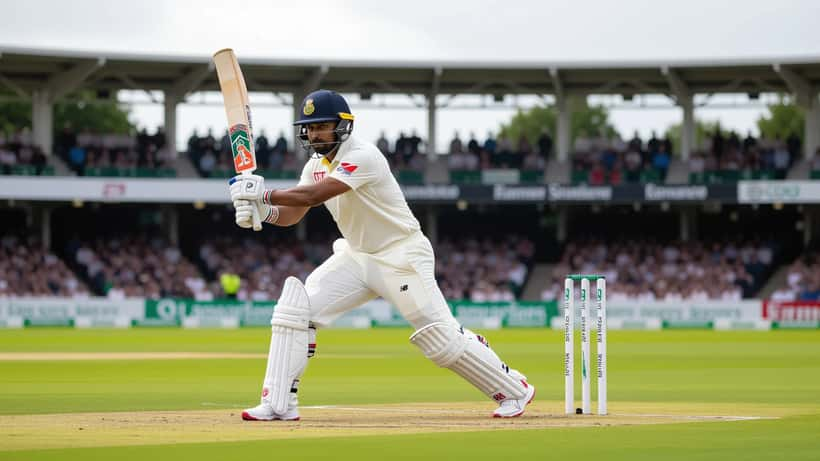
At the Riverside Ground in Durham on 22 September 2026, Sachindu Colombage walked out to bowl his first over in international cricket. Twelve months earlier, he was playing club cricket for Downham Stow in the East Anglian Premier League. Today, he returned 3-44 in a full 10-over spell — dismissing Joe Root and Jos Buttler — as Sri Lanka restricted England to 265 in the opening ODI of a three-match series. By stumps, his name was trending across Australian sports platforms. His financial future, however, will be shaped by decisions made in the days that follow — not on the pitch.
From League Grounds to International Headlines
The backstory to Colombage's debut is one of patient accumulation and a single, decisive opportunity. The 28-year-old legspinner spent the English summer bowling at amateur-level batters in Suffolk, honing his variations while waiting for the call. His moment came via the Lanka Premier League, where his wrist spin attracted the attention of Sri Lanka's national selectors. He was named in the ODI squad ahead of the more established Wanindu Hasaranga — a selection that turned heads in Colombo and barely registered in Chester-le-Street until he started taking wickets.
England had swept the preceding T20I series 3-0. Captain Harry Brook posted a century in the first match that several commentators called the fastest T20I hundred on English soil. Sri Lanka needed something to shift the momentum entering the ODI leg. Colombage gave them that shift: three scalps, including the prized wickets of Root and Buttler, contained in 10 tidy overs. England's total of 265 reflects a middle order that was out-thought by a man who, three months ago, was driving to weekend club fixtures in the East Midlands.
The cricket world is now watching. But so, quietly, are a different kind of professional: sports agents, endorsement managers, and wealth advisers.
What Wealth Managers See When a Debut Like This Happens
For every Sachindu Colombage-style debut, the financial industry watches a familiar sequence unfold. Within hours of an extraordinary performance at international level, agents make contact. By the end of the playing day, endorsement enquiries arrive. By the end of the week, a previously unknown cricketer is fielding offers from equipment manufacturers, apparel brands, and in some markets, cryptocurrency platforms.
The challenge is not a lack of opportunity. It is the pace at which opportunity arrives, relative to the preparedness of the athlete to evaluate it.
Sports finance professionals in Australia have documented this pattern across cricket, rugby, and athletics. Central contracts with national boards, appearance fees for bilateral series, franchise league auction slots, and commercial endorsements can shift a player's annual earnings from under A$40,000 to seven figures in a single season cycle — provided the athlete is working with the right advisers from the outset. Without that guidance, the same income surge can create tax complications, poor contract terms, and lifestyle inflation that outlasts the career.
"The difference is almost never talent," one Melbourne-based sports finance consultant has noted in the industry press. "It is whether the player has a trusted financial adviser in the room before the agent arrives — not after."
Three Blind Spots That Appear After Every Career Breakthrough
Whether the breakthrough is an international cricket debut or a significant promotion in a non-sporting career, wealth managers in Australia identify three recurring financial vulnerabilities.
Agent and representation costs. In cricket, standard agent commissions in Australia and England run between 7.5% and 20% of commercial endorsement contracts, according to Cricinfo's guide to player representation. Signing with the first agent who calls — under the excitement of a debut performance — without comparing terms or seeking independent advice, can cost an athlete hundreds of thousands over a five-year career. Taking a week to evaluate options, even when the offers feel urgent, is a basic form of financial self-protection.
Multi-jurisdiction tax exposure. International cricketers earn income in multiple countries within a single season: bilateral series fees in England, franchise league payments in the UAE or South Africa, appearance fees in Australia. Each country has different rules for taxing non-resident performers. An athlete who does not establish a clear tax residency position and engage an adviser with cross-border sports finance experience may face unexpected tax bills in two or more jurisdictions. Australian residents earning income from overseas sources are required to declare it to the ATO, and the effective rate on a windfall can reach 47% if income is not structured across the financial year.
The contract guarantee illusion. Tournament bonuses, ICC event participation fees, and some franchise deals include performance contingencies. A cricketer who adjusts their lifestyle commitments — a new apartment, a financial commitment to family members back home — around projected earnings that are not guaranteed may find themselves overextended if selection does not continue at the same level. Wealth managers recommend maintaining a liquidity reserve equivalent to 6-12 months of living costs, regardless of expected future income, throughout the early years of a professional career.
What Would a Wealth Manager Tell Colombage Right Now?
Colombage's debut creates a specific, concrete financial scenario. He is 28, has just proven himself at international level, and is — based on today's performance — a likely selection for the remaining ODIs in this series. If he cements his place in Sri Lanka's ODI squad, the following financial events are probable within the next 12 months: a national board central contract upgrade, consideration for the next franchise T20 league auctions, and inbound sponsorship interest from sports equipment and apparel brands.
A qualified wealth adviser, contacted today, would likely recommend three immediate actions: engaging a registered sports agent via a short-term trial agreement rather than a long-term exclusive commitment; consulting a cross-jurisdiction tax adviser before accepting any commercial payment from a UK-based brand; and creating a personal financial baseline — a snapshot of current income, liabilities, and savings — against which all incoming offers can be evaluated.
The cost of a single hour with a qualified financial planner registered with ASIC is, in most Australian cities, between A$250 and A$450. The cost of signing a poorly structured endorsement deal, or missing a tax election deadline in a high-earning year, can be measured in the tens of thousands.
The Australian Parallel: When Your Career Moment Arrives
Colombage's story resonates for a specific reason beyond cricket. In Australia, the same financial dynamics apply to any professional who experiences a sudden income jump — a promotion, a business sale, a redundancy payout, or a freelance contract that unexpectedly triples annual income.
Take this specific scenario: a 28-year-old Sydney-based account manager, currently earning A$88,000 a year, is offered a national sales director role at A$195,000, plus a A$25,000 sign-on bonus and an annual incentive payment of up to A$35,000. The total package, if the incentive is paid in full in the same financial year as the bonus, could push taxable income to A$255,000.
At that income level in Australia in 2026, the marginal tax rate on income above A$180,001 is 47 cents in the dollar. Without salary sacrificing into superannuation before 30 June — a strategy that reduces taxable income — the individual could face an additional A$12,000-$15,000 in tax compared to a structuring strategy recommended by a financial planner. Deferring the sign-on bonus to the following financial year, if the employer permits, could reduce the immediate tax bill by a similar margin.
If the sign-on bonus is accepted without timing advice, the gain is taxed at the highest rate. If it is deferred by one quarter, and salary sacrifice contributions are maximised, the same income produces a materially better net financial outcome. The difference is not about earning more money. It is about asking the right expert the right question before the money arrives.
This article discusses general financial concepts and is intended for informational purposes only. It does not constitute personal financial advice. Readers should seek guidance from a qualified financial adviser registered with the Australian Securities and Investments Commission before making any financial decisions.
Acting Before the Opportunity Window Closes
Colombage's debut will be discussed in cricket media for weeks. Sri Lanka's bowlers have found a new variation option, and Australian fans tuned in to the ENG vs SL ODI series will have plenty to follow across the remaining two matches — the second ODI in Leeds on 24 September and the final match at The Oval on 27 September.
But for those watching beyond the cricket, the lesson is about timing. The athletes who build lasting wealth from short-burst careers — and the professionals in any field who convert a career breakthrough into genuine financial security — act early. They connect with a wealth adviser before the income arrives, not after the first tax bill or the first poorly structured contract.
The Australian Securities and Investments Commission's MoneySmart service outlines clearly when professional financial advice is most valuable: at the point of a major income change. The cost of that conversation is low. The cost of skipping it, as Colombage's story will illustrate in its own way over the years ahead, is something only visible in retrospect.
If a sudden career breakthrough has you thinking about your own financial position, Expert Zoom connects Australians with accredited wealth management professionals. Read more about how cricket's millionaire stars manage their money — and what those principles mean for your own situation — in our in-depth guide to cricket player wealth management in Australia.
