 Mark Campbell
NSW Had Its Second Driest April Since 1900: What Australian Homeowners Need to Do Now
New South Wales recorded its second driest April since 1900 last month, with rainfall reaching only 13% of the historical average. The latest assessment from the Bureau of Meteorology confirms that drought-affected regions have expanded significantly since March 2026, now covering much of north-eastern New South Wales, bordering areas of Queensland, parts of Tasmania, and sections of southern Victoria. For the millions of Australians living in affected areas, the practical question is the same: what should you be doing to your home right now?
How Widespread Is the Current Drought?
Australia has been in a multi-year drought that began in 2023, with conditions worsening into 2026. Major cities including Melbourne, Adelaide, and Perth have all experienced ongoing strain on water supplies. As of May 2026, approximately 5% of Australia was sitting in the lowest soil moisture decile — a level that carries direct implications for household water security, garden viability, and the structural stability of older homes built on reactive soils.
The Bureau of Meteorology's long-range forecast released on 7 May 2026 projects below-average rainfall for much of eastern Australia and south-west Western Australia from June to August 2026. For homeowners who have been managing with reduced water access since summer, this forecast means the pressure is not about to ease.
The federal government has committed $519.1 million in Future Drought Fund programs to support farmers and regional communities, acknowledging the severity of conditions. But for urban and suburban homeowners, household-level preparation remains largely a personal responsibility.
What Drought Does to Residential Properties
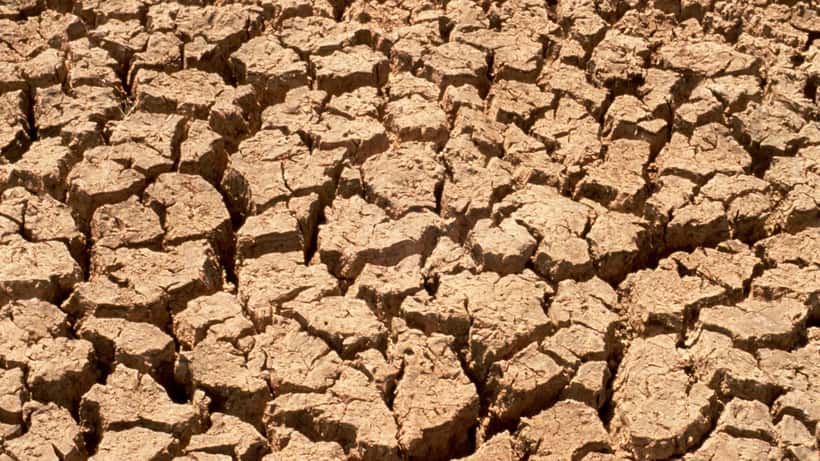
Many homeowners underestimate the structural impact of prolonged drought. When soil loses moisture over an extended period, clay-heavy soil profiles — common across New South Wales, Victoria, and Queensland — shrink and pull away from building footings. This movement can cause:
- Foundation cracks and subsidence, particularly in homes built before modern engineering standards
- Cracking in internal walls and ceilings that is not cosmetic but structural
- Damaged paving and driveway surfaces as subsoil shifts
- Failing retaining walls if supporting soil becomes severely compacted and dry
A home improvement professional can inspect your property for early signs of drought-related structural stress and advise on whether remediation work is needed before winter frosts compound any movement. Addressing minor foundation issues early typically costs a fraction of full remediation later.
Practical Steps to Drought-Proof Your Home in 2026
Install a rainwater tank if you don't already have one. During rain events — however infrequent — unlinked homes lose captured rainfall to stormwater. A correctly installed rainwater system plumbed into outdoor taps, garden irrigation, and toilet systems can reduce mains water demand by 30-50% in a typical household. Most Australian states offer rebates for tank installation in 2026.
Audit your outdoor irrigation. Drip irrigation and sub-surface watering use up to 70% less water than conventional sprinkler systems for equivalent plant coverage. A home improvement specialist can redesign an irrigation layout to prioritise food gardens and high-value plantings while letting lawn areas go dormant without costly overwatering.
Switch to drought-tolerant landscaping. Many homeowners lose significant water (and money) maintaining grass that is poorly adapted to Australian summer conditions. Native ground covers, gravel paths, and drought-tolerant ornamental plantings require a fraction of the watering once established.
Check your hot water system. Older electric and gas hot water units can lose 10-15% of their capacity to scale and sediment after years of lower water pressure. During drought periods when mains pressure fluctuates, servicing your hot water system is worth the modest upfront cost.
Seal external gaps. Dry conditions accelerate the movement of dust, insects, and air through unsealed joints in external cladding, window frames, and door seals. A comprehensive weatherproofing check improves both drought resilience and energy efficiency.
Understanding Your Insurance Position
Standard home and contents insurance in Australia typically does not cover drought-related structural damage as a named peril. Coverage depends significantly on policy wording. Subsidence caused by soil movement — which drought directly causes — is excluded from many policies unless you specifically hold "subsidence and landslip" coverage.
If your property has already experienced cracking or movement and you are uncertain about your coverage, reviewing your policy with an expert before making a claim can make a material difference to the outcome. An insurance or legal professional can help you understand whether your policy's definitions of "subsidence," "gradual damage," or "environmental events" apply to your circumstances.
For properties in declared drought assistance areas, the federal Drought Community Support Initiative may provide access to additional relief mechanisms — a legal or financial expert can advise whether your situation qualifies.
Getting Expert Help Before the Situation Worsens
The drought forecast for the second half of 2026 is not encouraging. For homeowners who have been deferring maintenance decisions, the window to act before a prolonged dry winter is now.
A home improvement expert through ExpertZoom can assess your property's drought resilience, recommend the most cost-effective interventions for your specific soil type and construction era, and prioritise which projects carry the highest structural risk if delayed.
Drought management for homeowners is not just about water bills. It is about protecting the structural value of what is, for most Australians, their largest asset.
This article provides general information only and does not constitute legal or financial advice. For advice specific to your situation, consult a qualified professional.
