 Chloe Kennedy
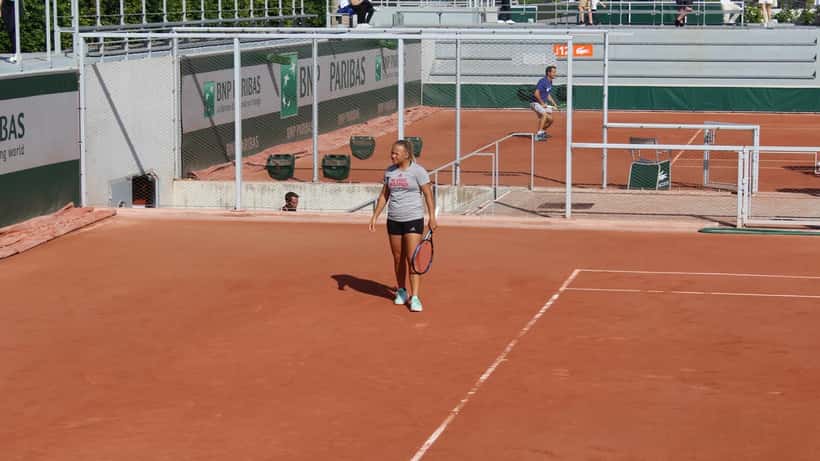
Diana Shnaider, the 21-year-old Russian tennis player, stunned 2025 Australian Open champion Madison Keys 6–3, 3–6, 6–0 on Court Suzanne-Lenglen on 31 May 2026, to reach her first Grand Slam quarter-final at Roland Garros. The result, which leaves Keys with a bruising 50 unforced errors on her record, sends Shnaider into the last eight — and a guaranteed minimum payout of €470,000, roughly AUD $820,000 at current exchange rates.
The moment is one of many defining the 2026 Roland Garros fortnight, which is poised to crown both a first-time men's and women's champion. But beyond the tennis itself, Shnaider's surge through the draw illustrates something that rarely gets explained outside financial circles: how Grand Slam prize money actually works, and what professional athletes must do to protect those life-changing payouts.
The Scale of Grand Slam Prize Money in 2026
Roland Garros 2026 has a total prize pool of €61.7 million — a 9.5 per cent increase on the previous year, and equivalent to approximately AUD $108 million at current exchange rates. The tournament distributes this money across all draws, including singles, doubles, and mixed doubles, with the bulk going to singles players.
The official prize money breakdown for the women's and men's singles is published on the Roland Garros official prize money page:
- First round exit: €87,000
- Second round exit: €130,000
- Third round exit: €187,000
- Fourth round exit: €285,000
- Quarterfinalist (QF exit): €470,000
- Semifinalist: €750,000
- Finalist: €1.4 million
- Champion: €2.8 million
By advancing to the quarter-final, Shnaider has secured her €470,000 payout regardless of her QF result. If she wins through to the semi-finals, that figure climbs to €750,000. If she goes all the way, she takes home €2.8 million — approximately AUD $4.9 million — from a single fortnight.
How Prize Money Reaches the Players — and Where It Goes Next
On paper, winning €470,000 sounds simple. In practice, the path from a court victory to money in the bank is significantly more complicated, and mismanaging prize income is one of the most common financial mistakes in professional sport.
First, tax. Tournament prize money is typically subject to withholding tax at the source. France applies a standard withholding rate on prize money paid to non-resident athletes — a deduction taken before the player ever sees the funds. Players must then file or reconcile this against their home country's tax obligations, potentially claiming a foreign tax credit to avoid double taxation.
For Australian players competing abroad, the Australian Taxation Office requires that foreign income be declared in Australian tax returns, even if tax has already been withheld overseas. The application of tax treaties — agreements between Australia and other countries that determine which jurisdiction has primary taxing rights — can be complex enough to require a specialist tax adviser, not just a general accountant.
Second, agent fees. Most professional tennis players at Shnaider's level pay their agent between 10 and 20 per cent of prize money. Coach fees, physio costs, travel expenses, and equipment deals all reduce what remains. A €470,000 payday can shrink to €300,000 or less after these deductions.
From Windfall to Wealth: What Athletes Get Wrong
Professional athletes are disproportionately represented among high earners who face financial difficulty later in life. Research on professional athlete finance consistently finds that a significant percentage experience financial stress within five years of retirement, regardless of peak earnings. The causes are consistent: irregular income, high spending during earning years, and investment decisions made without qualified financial guidance.
Grand Slam players earn money in concentrated bursts — a good two-week run can produce more income than many full-time workers earn in a decade. Managing that income requires a different approach than regular salaried employment.
For athletes at Shnaider's stage — young, with growing prize money and endorsement potential, but also with significant ongoing career expenses — the key financial planning priorities include:
- Establishing an emergency fund covering at least 12 months of total career costs, since injury can end a season's income overnight
- Choosing the right investment vehicles for short, medium, and long-term goals — balancing liquidity (they may need capital quickly) against growth
- Superannuation strategy for Australian players — tax-advantaged retirement accounts like superannuation require specific structuring when income comes from overseas
- Tax planning across jurisdictions — particularly important for players who are resident in one country, earn prize money in 20 others, and have endorsement income from a third
What Everyday Australians Can Learn from Grand Slam Finance
You do not need to be a professional athlete to face the financial challenges that prize money highlights. Australians who receive inheritance payments, property sale proceeds, end-of-employment payouts, or even a significant bonus face very similar questions: where does this money go first, how is it taxed, and how do I make it last?
Like a tennis player who arrives at the QF without a financial plan, most people who receive a sudden large sum make their most consequential financial decisions in the first few weeks — and those decisions are hard to reverse.
Whether you are managing $50,000 or $500,000, the principles of proper wealth management are the same: understand your tax position, choose the right accounts and structures, and plan across time horizons. ExpertZoom connects Australians with experienced wealth management and financial planning advisers who can help at every stage of that process — no matter how the money arrived.
Financial disclaimer: This article is general information only and does not constitute financial advice. For guidance specific to your circumstances, consult a qualified financial adviser or tax professional.
