 Chloe Wilson
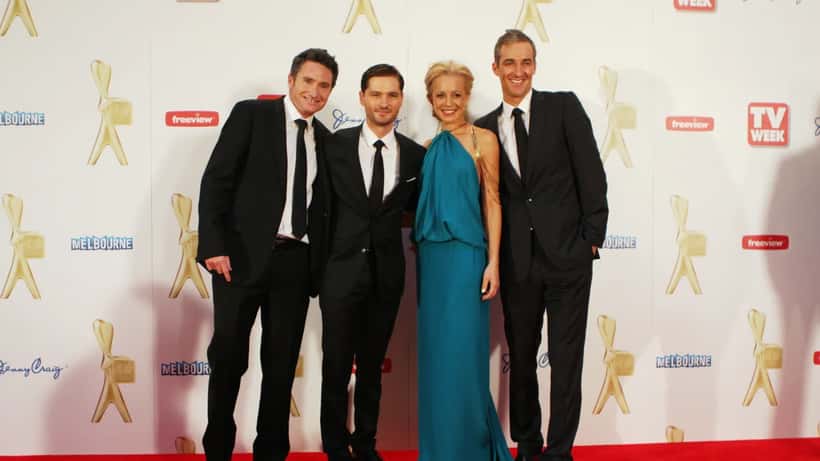
Carrie Bickmore has been named the 2026 Victorian Australian of the Year, recognised for more than a decade of work raising funds for brain cancer research after losing her husband, Greg Lange, to the disease in 2010. Her foundation, Carrie's Beanies 4 Brain Cancer, has raised $27 million for research since 2015, and in 2021 she established The Brain Cancer Centre, which has since leveraged an additional $45 million in research funding.
The award, announced ahead of Australia Day 2026, has put brain cancer back in the national conversation — and it is a conversation worth having, because the numbers remain stark.
Australia's Brain Cancer Reality
According to the Australian Brain Cancer Mission, someone in Australia is diagnosed with brain cancer every five hours. Four out of five people die within five years of diagnosis. Brain cancer kills more Australians under the age of 40 than any other cancer — yet it receives only a fraction of the research funding directed at cancers with higher public profiles.
The five-year survival rate for the most common and aggressive form, glioblastoma multiforme (GBM), remains under 10%. This rate has not materially changed in more than three decades, despite advances in cancer treatment across virtually every other major cancer type. It was GBM that claimed Greg Lange in 2010, and it is GBM that continues to take lives at a rate that specialists and advocates, including Bickmore, have described as unacceptable.
Warning Signs Australians Most Commonly Miss
Early detection rarely changes the prognosis for the most aggressive brain tumours, but it can meaningfully affect treatment options and quality of life. Many Australians still wait too long before seeking a medical opinion, often attributing early symptoms to stress, poor sleep, or ageing.
The following symptoms, particularly when they appear in combination or worsen progressively, warrant prompt medical assessment:
Persistent or unusual headaches — especially those that are worst in the morning, wake you from sleep, or differ from your usual headache pattern. Headaches alone are rarely the first sign of a brain tumour, but in combination with other neurological symptoms, they are significant.
Seizures in adults with no prior history — a first-ever seizure in an adult over 30 should always be investigated with neuroimaging. Brain tumours are among the most common causes of new-onset adult seizures.
Cognitive or personality changes — family members often notice these before the patient does. Difficulty with word-finding, memory lapses, uncharacteristic mood shifts, or reduced problem-solving capacity can all signal frontal or temporal lobe involvement.
Vision and balance changes — blurred or double vision, loss of peripheral vision, clumsiness, or difficulty walking that cannot be explained by other causes.
Progressive weakness on one side of the body — gradual, worsening weakness or numbness in an arm, leg, or one side of the face.
None of these symptoms alone proves a brain tumour — most have far more common explanations. But a combination of two or more symptoms that are new, progressive, or unexplained should prompt a visit to a GP for a neurological assessment.
Why Early Medical Assessment Matters
For lower-grade brain tumours — such as grade 2 and 3 astrocytomas or oligodendrogliomas — earlier detection genuinely extends treatment options. Surgical resection, radiation therapy, and newer targeted chemotherapy regimens are most effective when tumour burden is lower.
The challenge is that brain imaging (MRI or CT) is not routinely available in a standard GP consultation. Patients need to advocate for themselves, and GPs need to have a low threshold for referral to a neurologist when symptoms warrant it.
A neurology or oncology consultation gives patients access to:
- Appropriate neuroimaging to rule in or rule out structural causes
- Neurosurgical assessment for biopsy and treatment planning if needed
- Multidisciplinary care through a brain cancer centre or specialist clinic
- Information about clinical trials, which remain one of the primary ways to access cutting-edge treatments in Australia
The Brain Cancer Centre, co-founded by Bickmore, exists specifically to connect patients with active clinical trials and reduce the fragmentation that has historically made accessing specialist care so difficult. As of early 2026, the centre has enrolled patients into more than 30 active trials.
What Carrie Bickmore's Recognition Means for Awareness
Bickmore described receiving the Victorian Australian of the Year award as bittersweet — honouring work she wishes she had never needed to start. "No one should have to bury a spouse at this age and then spend the next fifteen years fighting to get research funded," she said in her acceptance speech.
The recognition matters beyond symbolism. Awards of this kind generate media coverage that reaches people who would not otherwise encounter brain cancer research messaging. For the families of the roughly 1,800 Australians diagnosed with brain cancer each year, that visibility can translate into faster GP visits, earlier diagnoses, and better access to clinical trials.
If you have concerns about neurological symptoms — your own or those of someone close to you — a specialist consultation is the right starting point. An oncologist or neurologist can assess whether imaging is warranted and refer you to the appropriate multidisciplinary team.
Disclaimer: This article provides general health information only and does not constitute medical advice. Always consult a qualified healthcare professional for personal medical concerns.
