 Chloe Wilson
A 70-year-old man went overboard from the Carnival Splendor cruise ship near Brisbane in the early hours of 18 April 2026, triggering a 16-hour search-and-rescue operation before authorities suspended the effort that evening. For the family members on board, and for thousands of Australians who have lost a loved one suddenly and unexpectedly, the question now is: where do you turn?
What Happened on Carnival Splendor
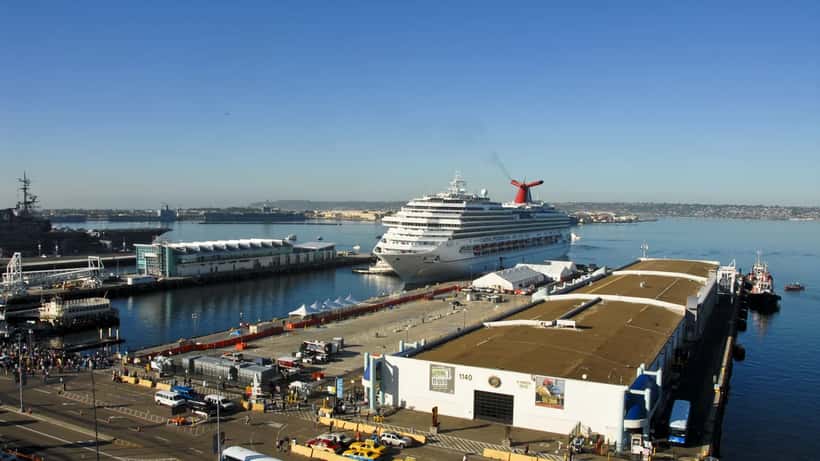
At approximately 2:00 AM on 18 April 2026, the passenger — travelling with family — went overboard from the Carnival Splendor while the ship was off the coast of Queensland. Family members raised the alarm and crew immediately alerted the Australian Maritime Safety Authority (AMSA), which coordinated a major response: five rescue helicopters, six surface vessels from Queensland Police, Challenger search jets, and the Carnival Splendor itself all participated in the search.
After more than 16 hours of continuous searching, AMSA suspended the operation at approximately 5:30 PM on 18 April. The passenger is presumed dead. The ship's scheduled departure from Sydney for a four-night Moreton Island cruise on 19 April was delayed to midnight as a result.
The tragedy was compounded by a separate incident the same day: a 67-year-old woman from Tasmania died while snorkelling at Tangalooma Wrecks near Moreton Island, just hours before the overboard event.
The Particular Grief of Ambiguous Loss
For families in this situation, the grief is uniquely complex. Psychologists describe it as ambiguous loss — a form of loss where there is no body, no funeral, and often no clear resolution. Unlike a death confirmed in a hospital, a presumed-at-sea death leaves family members in psychological limbo.
Symptoms can include persistent disbelief, intrusive images, difficulty making decisions, and an inability to begin conventional grieving processes. Research shows this type of loss is one of the most difficult to process without professional support.
Beyond Blue, Australia's leading mental health support organisation, provides dedicated resources on grief and loss — including guidance for families facing traumatic or sudden bereavement. These resources acknowledge that every grief experience is different, and that seeking help early significantly improves long-term outcomes.
What Support Is Available Right Now
If you are a family member or close friend affected by a sudden loss, whether through a maritime incident or any sudden bereavement, the following options are available:
Immediate crisis support:
- Lifeline: 13 11 14 (24/7, free)
- Beyond Blue: 1300 22 4636 (24/7, free)
- Grief Australia: 1300 845 745
Specialist grief counselling: A general practitioner (GP) can refer you to a psychologist specialising in grief and trauma under a Mental Health Care Plan, which provides Medicare-subsidised sessions. In the immediate aftermath of traumatic loss, this is often the fastest pathway to professional help.
Peer support: Grief Share and the National Association for Loss and Grief (NALAG) Australia connect families with others who have experienced similar losses, including sudden or ambiguous loss.
Legal Considerations for Families
Families facing a presumed-at-sea death also encounter significant legal complexity. A lawyer experienced in estate law can help with several pressing matters:
Presumption of death: Under Australian law, a court can issue a death certificate equivalent when a person is missing and presumed dead, even without a body. This typically requires a formal application and evidence of the circumstances. The timeline and process vary by state.
Life insurance claims: Most life insurance policies have provisions for missing and presumed-dead policyholders, but the claim process can be challenging. Insurers may require a coroner's finding or a court declaration before paying out. A solicitor can help families navigate this process.
Estate administration: Without a death certificate, administering a deceased estate — including property transfers, bank accounts and superannuation — becomes significantly more complicated. Early legal advice prevents delays and protects the family's interests.
Cruise line liability: Families may have grounds to investigate whether the cruise line met its duty of care. Maritime law is a specialised area, and questions around safety railings, crew monitoring procedures and passenger welfare protocols are best assessed by a lawyer with expertise in this field.
How Long Does Grief Take?
There is no set timeline for grief, particularly in cases of ambiguous loss. Research by psychologist Pauline Boss, who coined the term, suggests that families in these situations may need to find a way to "live with" the uncertainty rather than achieve closure in the traditional sense. This is a skill that can genuinely be learned with professional guidance.
Some families find that a memorial service — even without remains — provides an important psychological anchor. Others benefit from journalling, creative expression, or structured grief programmes. A psychologist or grief counsellor can work with you to identify what is most helpful for your particular circumstances.
Taking the Next Step
The days and weeks after a sudden loss are not the time to be navigating legal paperwork alone. A mental health professional can help stabilise your emotional state, while a legal adviser can protect your practical rights — and the two can work in parallel.
Expert Zoom connects Australians with both mental health professionals and legal experts who can provide confidential consultations at a time that suits your family. Whether you need grief counselling, estate advice, or guidance on insurance claims, the right expert can make an enormous difference during one of life's most difficult moments.
Disclaimer: This article provides general health and legal information only. If you are in crisis, please call Lifeline on 13 11 14. For legal advice specific to your situation, consult a qualified solicitor.
