 Jess Johnson
Cameron Smith's LIV Golf Coach Change in 2026: What Australian Athletes Can Learn About Career Contracts and Reinvention
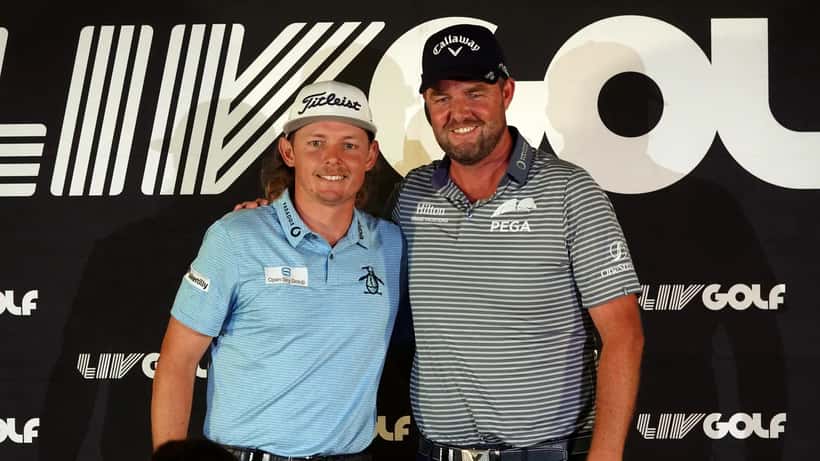
Cameron Smith has made the most significant coaching change of his career. The Australian golfer and Ripper GC captain parted ways in May 2026 with his childhood swing coach Grant Field — a relationship that began when Smith was nine years old — to work with renowned coach Claude Harmon III. Smith described the conversation as "a terrible, terrible conversation to have," but defended the decision as necessary for a career reset. Competing at the 2026 PGA Championship at Aronimink, Smith shot a 1-under 69 in his first round with Harmon on the bag and progressed into contention entering the final day. The move raises questions that go well beyond golf: what are the legal and financial implications when Australian athletes end long-standing professional relationships mid-contract, and what protections exist on both sides?
The Backstory: Three Years Without a Major and a Career at a Crossroads
Smith won the 2022 Open Championship at St Andrews — one of the most celebrated major victories in Australian golf history. He subsequently signed with LIV Golf in a move that initially barred him from PGA Tour events and excluded him from the 2023 and 2024 Ryder Cup.
By 2026, the picture had changed: LIV Golf received assurances in May 2026 that the circuit would continue beyond the season, and Smith — having recorded just two top-10 finishes in six 2026 LIV events before the PGA Championship — acknowledged that something needed to change. Missing six consecutive major cuts, including the 2026 Masters, had become a professional and reputational problem.
His response was decisive: change coaches, return to major championship golf, and recommit to LIV's long-term survival. At the PGA Championship, that decision produced immediate results.
Ending a Long-Term Coaching Relationship: What the Law Says
Smith's situation parallels something many Australian athletes, coaches, and sports professionals face: the termination of a long-standing professional relationship that may or may not have been formalised in a written contract.
Elite coaches in Australia — particularly those working with international-calibre athletes — often operate under service agreements that include:
- Notice periods: Typically 30 to 90 days for professional sporting relationships
- Intellectual property provisions: Who owns training programs, swing analysis data, and methodological systems developed during the coaching relationship?
- Non-solicitation clauses: Some coaching contracts restrict the coach from working with direct competitors for a period after termination
- Payment for services rendered: If the athlete terminates before the end of a contracted season, the coach may be entitled to payment for work already performed or, in some cases, for the balance of the contract period
Many coaching relationships in Australian sport — particularly in individual sports like golf, tennis, and swimming — are informal arrangements without written contracts. This creates ambiguity when either party wishes to end the arrangement.
According to the Fair Work Act 2009 (Cth), whether a coach is classified as an independent contractor or an employee matters significantly. This distinction applies across Australian sport — as explored in our analysis of Stephen Crichton's NRL captaincy and player rights under Australian sports law, the employment classification framework creates very different obligations depending on how the professional relationship is structured. Employees have termination protections including unfair dismissal rights. Independent contractors do not, but may have rights under the Australian Consumer Law if the termination involves misleading conduct or the breach of contractual good faith obligations.
LIV Golf's Survival and What It Means for Player Contracts
On 7 May 2026, Cameron Smith confirmed that he had received "every assurance" from LIV Golf leadership that the circuit would continue beyond the current season. This matters financially: LIV Golf player contracts are understood to include significant guaranteed payments, appearance fees, and team bonus structures that differ substantially from the PGA Tour's merit-based prize money model.
For Australian athletes considering contracts with emerging leagues — whether in golf, football, basketball, or other sports — LIV Golf's turbulent history offers a useful case study in contract risk.
Key questions any athlete or their legal adviser should ask when signing with a newer or financially uncertain sporting organisation:
1. What happens to guaranteed payments if the league folds?
Guaranteed payments in sports contracts are typically secured against the league's assets. If those assets are insufficient to cover obligations — as can happen if a league collapses mid-season — athletes may become unsecured creditors, recovering only cents on the dollar.
2. Are non-compete and exclusivity clauses proportionate?
LIV Golf's original contracts reportedly included clauses preventing players from competing in events operated by competing organisations. As LIV's relationship with the PGA Tour has evolved, the enforceability of those clauses has been tested. In Australia, restraint of trade clauses in employment and services contracts are enforceable only to the extent they are "reasonable" in scope, duration, and geography under common law.
The Financial Architecture of an International Athlete Career
Smith's PGA Championship appearance is a reminder that international athletes face a genuinely complex financial environment. His earnings from LIV Golf events, PGA Championship prize money, and commercial endorsements flow across multiple jurisdictions.
For Australian athletes earning overseas income, the ATO's rules on tax residency and foreign income are the starting point. An Australian tax resident must declare all worldwide income. Double-taxation agreements with the United States (where many LIV and PGA events are held) generally provide a credit for US withholding tax against Australian tax liability, but the mechanics require professional management.
Superannuation is a further complexity. Athletes who earn primarily through sporting activity classified as self-employment must make their own superannuation contributions — they do not have an employer making the Superannuation Guarantee contribution on their behalf. Many elite athletes in Australia reach their mid-30s with superannuation balances that substantially underrepresent their career earnings.
What Smith's Reinvention Shows About Athletic Career Longevity
Cameron Smith is 32 years old. His willingness to have a painful conversation with a coach he has worked with since childhood, and to make a structural change in service of long-term career goals, reflects a professional maturity that extends beyond golf.
Australian athletes who treat career management as purely athletic — and leave the legal, financial, and contractual dimensions to chance — consistently fare worse in post-career financial outcomes than peers who sought expert guidance during their playing years.
Whether you are a professional athlete navigating a contract negotiation with a league or a coach, a sports administrator managing coaching agreements, or a junior athlete entering the first professional arrangement of your career, expert legal and financial advice is not optional — it is the structural foundation that allows talent to translate into long-term security.
Expert Zoom connects Australians with experienced legal and financial professionals who understand the specific environment of professional sport. A consultation with a sports law or wealth management expert can help you understand your rights, obligations, and options — before a "terrible conversation" becomes an expensive one.
This article is for informational purposes only and does not constitute legal or financial advice. Consult a qualified legal or financial professional for guidance specific to your situation.
