 Fred Rivers
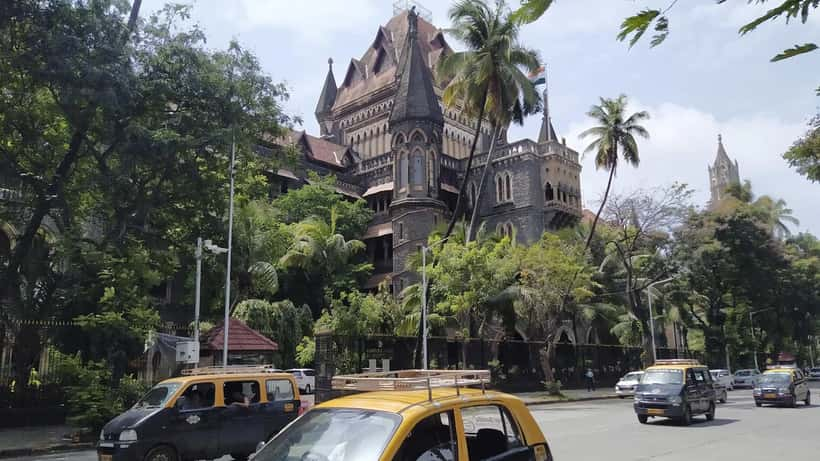
A Navi Mumbai couple spent three years navigating Indian and Australian legal systems before the Bombay High Court finally cleared their path home on 3 April 2026. The ruling — which allowed two Australian citizens to relocate their legally adopted daughter to Australia — has shed light on one of the most complex legal processes a family can face: intercountry adoption.
For Australian families with ties to India, the case is a timely reminder that even a completed adoption can unravel under bureaucratic and jurisdictional pressures.
What Happened in the Bombay High Court Case
The couple, both around 44 years old and Australian citizens, completed the adoption of their daughter under India's Hindu Adoptions and Maintenance Act (HAMA) in April 2023. However, what should have been the beginning of a new chapter became a three-year legal standoff.
The Central Adoption Resource Authority (CARA) — India's apex body for adoptions — took the position that the adoption fell under the intercountry framework because one parent held Overseas Citizen of India (OCI) status. Under Regulation 68 of India's Adoption Regulations 2022, intercountry adoptions involving OCI holders must follow a different, lengthier process. CARA declined to issue the No Objection Certificate needed for the child to travel to Australia.
The adoptive mother stayed in India for the entire three-year period to care for the child while the legal battle played out. The Bombay High Court ultimately ruled the HAMA adoption was valid, citing the "peculiar facts" of the case and noting that the child's welfare had to take precedence over procedural compliance. Justices Ravindra Ghuge and Abhay Mantri wrote: "These events now cannot be reversed only because the procedure under Regulation 68 was not followed. We have to consider the future of the adopted baby as well."
CARA was directed to issue the No Objection Certificate within 15 days of verification, finally giving the family a clear path to Australia.
Why This Case Matters for Australian Families
Australia finalised 207 adoptions in 2023–24, of which only 34 were intercountry adoptions, according to the Australian Institute of Health and Welfare. The India program has historically been one of the more complex to navigate. As of 2024, Australia had only reactivated the India adoption program on a staged basis, with Queensland as the sole fully participating state.
The complexity arises from a fundamental tension between two legal frameworks:
- HAMA (Hindu Adoptions and Maintenance Act, 1956): A domestic Indian law that allows Hindus to adopt under simplified procedures, with legal effect recognised immediately upon completion
- The Hague Convention on Intercountry Adoption: An international treaty to which both India and Australia are signatories, establishing safeguards for cross-border adoptions — including CARA oversight and home-study assessment of prospective adoptive parents
When an Australian family completes a HAMA adoption and then seeks to bring the child to Australia, two sovereign legal systems must agree the adoption is valid. If one system categorises the adoption differently — as happened in this case — the consequences can be devastating for the family.
The OCI Status Trap
One of the most important lessons from this ruling concerns Overseas Citizen of India (OCI) status. OCI is a form of permanent residency for people of Indian origin living abroad, including many Australian citizens of Indian heritage.
Australia has a substantial Indian diaspora — over 700,000 people born in India were living in Australia as of 2023 — and many hold OCI cards as a practical means of maintaining ties to India.
What this case makes clear is that OCI status can trigger an entirely different adoption pathway under Indian law, one that most families are not expecting when they begin the process through a local Indian family court. A family that completes a HAMA adoption without accounting for OCI status may find CARA unwilling to issue the documents needed for an Australian adoption visa (subclass 102).
What the Australian Legal Process Requires
Even after a valid adoption is completed in India, Australian law has its own requirements before a family can bring a child home:
- State/Territory authorisation: Each Australian state and territory has its own adoption authority. Not all participate equally in the India program — Northern Territory has suspended participation.
- Australian intercountry adoption assessment: Prospective parents must undergo a home-study and suitability assessment approved by their state/territory authority.
- CARA clearance: An Indian-side No Objection Certificate, which was the sticking point in this case.
- Adoption Visa (subclass 102): Required for the child to enter Australia as a permanent resident, with a pathway to citizenship.
The intercountry adoption process typically takes at least two years in Australia, according to the federal government's intercountry adoption portal. Waiting times of several years are not uncommon, and that timeline does not account for legal disputes of the kind this Navi Mumbai couple faced.
When to Seek Specialist Legal Advice
The Bombay High Court ruling is a win for this family, but it came after years of separation, stress, and legal expense — much of which may have been avoidable with proper legal guidance at the outset.
A family law specialist with experience in international adoption can help at several critical stages:
- Before beginning the adoption process: Understanding which adoption framework applies based on your residency, citizenship, and OCI status
- During the Indian adoption: Ensuring the process followed is consistent with both HAMA and the Hague Convention requirements, and that CARA is involved from the beginning where required
- At the Australian end: Ensuring your state/territory adoption authority is properly informed and that the visa pathway is clear
- If a dispute arises: Legal challenges at the intersection of Indian and Australian law require practitioners who understand both systems
The Australian Government's intercountry adoption portal provides an authoritative overview of the India-Australia adoption program, including program status by state, eligibility requirements, and the role of CARA.
A Lesson in Legal Complexity
The Bombay High Court's decision was compassionate and child-focused. But it took three years and a judicial intervention to deliver what Australian and Indian family law should, in theory, guarantee: that a completed, lawful adoption gives a family the right to live together.
For Australian families considering adoption from India, the lesson is not to be deterred — but to be prepared. The intersection of HAMA, OCI regulations, Hague Convention procedures, and Australian state-level requirements is genuinely complex. Navigating it without specialist legal advice on both sides of the process is a significant risk.
If you are an Australian family considering intercountry adoption from India, speaking with an experienced family lawyer before you begin could save years of heartache. Platforms like Expert Zoom connect Australian families with family law specialists who understand cross-jurisdictional adoption — a step worth taking long before you file your first application.
This article discusses legal processes in general terms. It does not constitute legal advice. Adoption law varies by state and territory. Always consult a qualified family lawyer for advice specific to your circumstances.
