 Sophie Thompson
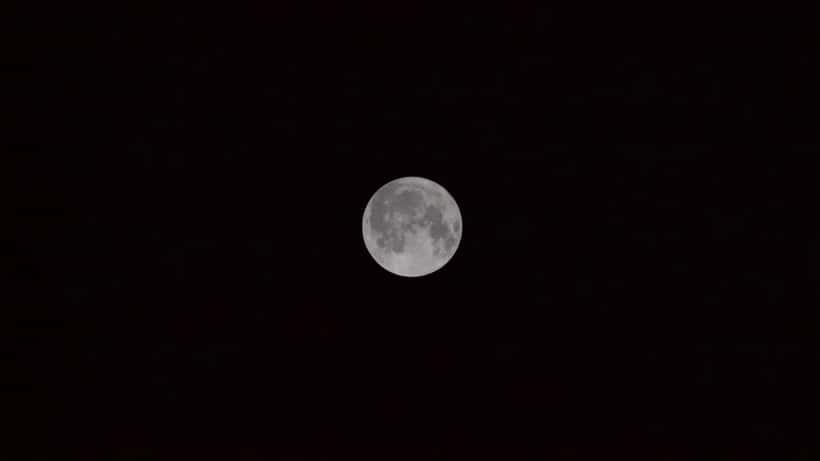
Australia's Blue Micromoon reaches peak illumination at 6:45pm AEST tonight, 31 May 2026 — the brightest and biggest-seeming full moon of the month, and the second in a single calendar month, which is what makes it a "Blue Moon" in the modern astronomical sense. If your dog has been pacing, your cat hiding, or your rabbit thumping in its hutch, tonight's lunar event may be partly responsible.
This Blue Moon has an added quirk: it is also a micromoon, occurring when the moon is near apogee — the point in its elliptical orbit furthest from Earth. The combination of a Blue Moon and a micromoon in the same event is rare. Australian sky-watchers can expect the moon to be visible from sunset, appearing in the constellation Scorpius before tracking south across the night sky.
What the Research Says About Full Moons and Pets
The connection between full moons and animal behaviour is often dismissed as folklore. The data, however, tells a more nuanced story.
Researchers at Colorado State University analysed 11,940 emergency veterinary cases at their Veterinary Medical Center and found emergency room visits were 23% higher for cats and 28% higher for dogs around the period of the full moon. The study did not find a direct biological mechanism — the moon does not appear to alter pets' hormones or neurological function in a proven way. What it likely explains is behaviour.
A full moon produces significantly more light at night than a new moon. Dogs and cats that venture outdoors at night become more active in that light. More nocturnal activity means more exposure to hazards: traffic, other animals, falls, and ingestion of foreign objects. The increase in vet visits correlates with this heightened activity, not with the moon's gravitational pull or mysterious "lunar energy."
Signs Your Pet May Be Unsettled Tonight
While not every animal reacts to a full moon, owners regularly report specific changes around this time of month. Tonight, watch for:
In dogs:
- Increased vocalisation, including howling
- Restlessness or difficulty settling at night
- More energy or excitability than usual
- Reluctance to come inside despite normal routines
In cats:
- Hiding or retreating to unusual spots
- Agitation or increased aggression
- Yowling at night, particularly if your cat goes outdoors
- Disrupted sleep patterns
In small animals (rabbits, guinea pigs):
- Thumping and stamping
- Hiding or burrowing behaviour
- Increased alertness throughout the night
These behaviours are not harmful in themselves. The concern is what pets do next — if they act on that restlessness outdoors.
The Risk: More Activity, More Accidents
The most significant risk on a full moon night is not mystical — it is straightforward. Cats allowed outdoors at night explore further and more confidently in bright moonlight. Dogs left in unfenced yards are more likely to be active and alert near fences or gates. Small animals that feel unsettled may injure themselves attempting to escape hutches.
The RSPCA Australia advises that keeping pets safely contained overnight is one of the most effective ways to prevent after-dark accidents. On a night like tonight, with a bright Blue Micromoon lighting the sky from dusk, it is worth being more deliberate about where your animals spend the evening.
For cats specifically, the RSPCA Australia recommends keeping them indoors at night as a baseline practice — full moon or not. Cats are responsible for a significant portion of wildlife predation and road fatalities occur most often between dusk and dawn. A bright lunar night amplifies both risks.
When Should You Call a Vet?
Most pets will be mildly unsettled at most, and return to normal behaviour by morning. Contact a veterinarian if:
- Your pet has been outside and comes home limping, bleeding, or behaving unusually
- You cannot locate your pet and they are normally an indoor animal
- Your pet has ingested something unknown during nocturnal exploration
- Behavioural changes persist beyond tonight into the following day
- Your pet shows signs of distress — panting, drooling, trembling — that are out of character
Routine anxiety or restlessness overnight is generally not cause for an emergency call. But if your pet returns from outdoors with a physical injury or signs of a fight with another animal — bite wounds are a common outcome on active nights — assessment within 24 hours is wise, as puncture wounds can become infected quickly.
Preparing for Tonight
A few simple steps can make tonight's Blue Micromoon uneventful for your pets:
- Bring cats indoors before sunset — once a cat is outside and stimulated by the bright night, coaxing them in is harder
- Check fences and gates before dark, especially if your dog has shown escape tendencies in the past
- Secure hutches for rabbits and guinea pigs — unsettled small animals can be surprisingly determined to push through enclosure joins
- Ensure ID tags and microchips are current — if a pet does get out tonight, updated contact details dramatically improve the chances of a reunion
- Note any unusual behaviour — if your pet acts strangely tonight, a brief note on timing and symptoms is useful if you do end up at a vet
Australia's Blue Micromoon is a genuine astronomical event, peaking at 6:45pm AEST and fully visible across the country through the night. Your pets will not understand what they are responding to. But you can take simple steps to keep them safe while the brightest full moon of 2026 crosses the sky.
If you have concerns about your pet's behaviour or health, ExpertZoom can connect you with a qualified veterinarian in your area.
