 Andrew Thompson
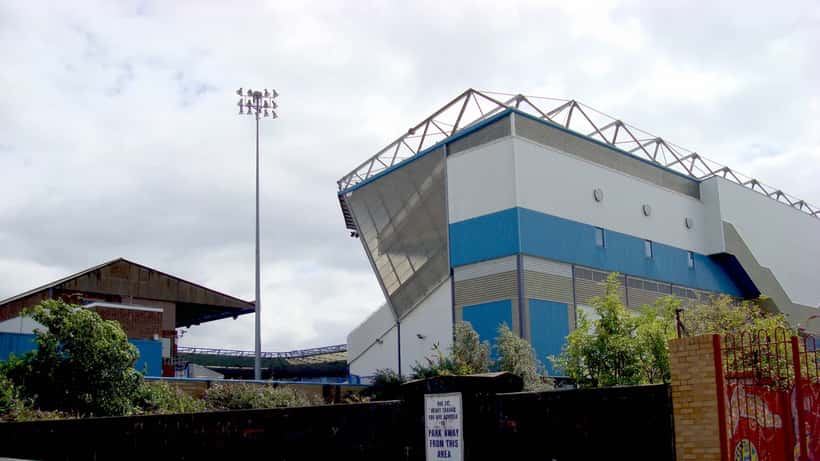
Birmingham City's once-in-a-generation home friendly against FC Barcelona at St Andrew's @ Knighthead Park on 31 July 2026 is sending shockwaves through the football world — including among Australian supporters scrambling to secure tickets or catch the match online. The excitement, however, has created the perfect conditions for a surge in ticket scams targeting fans worldwide, and Australian consumers are among the most exposed.
The Match That's Captivating Football Fans Worldwide
The fixture is no ordinary pre-season kickaround. Birmingham City — now backed by high-profile investment firm Knighthead Capital — are hosting FC Barcelona, the reigning La Liga giants, for the first time since 1960, when Blues became the first English side to contest a European final against the Catalan club. That historical weight, combined with the star power of Hansi Flick's Barcelona squad, has created demand that far outstrips available capacity.
Barcelona arrive having already posted a convincing 4–1 victory in a closed-door warm-up against CE Europa, making this their first public pre-season appearance of the 2026 summer. Manager Chris Davies' Birmingham side head in with five wins from five pre-season fixtures — 11 goals scored, just two conceded — giving Australian fans of both clubs every reason to want a seat in the stands or a reliable stream at home.
The match is broadcast exclusively in the UK via Birmingham City's own platform, Blues+. That streaming arrangement leaves international fans — including those in Australia — hunting for alternative options, often through secondary markets, unofficial resellers, and social media listings. That is exactly what fraudsters are banking on.
How Scammers Exploit Pre-Season Frenzy
According to data tracked by Australia's National Anti-Scam Centre and the ACCC's Scamwatch, Australians lost more than $26 million to buying and selling scams in the past year, with fake sports and entertainment tickets among the top categories exploited.
High-profile matches involving globally recognised clubs like FC Barcelona are prime targets. They generate intense demand, limited supply, and short decision windows that push fans into rushed, poorly verified purchases. Consumer protection agencies have already flagged the same pattern in the lead-up to the 2026 FIFA World Cup: fake waiting list notifications, look-alike ticket websites that mimic official club pages, cloned booking confirmations with counterfeit QR codes, and social media sellers claiming "insider access" to sold-out allocations.
For Australian fans seeking tickets to attend the Birmingham match in person, the risks are compounded by geography. When a transaction goes wrong on the other side of the planet — a QR code that fails at the turnstile, a seller whose profile vanishes after payment — recourse from Australia is slow, expensive, and often unsuccessful without the right preparation. Even Australians only seeking a streaming link face hazards: fake streaming sites have appeared targeting global audiences for this match, some harvesting card details under the guise of a "one-time access fee" and others redirecting browsers to malware installers.
When Your £120 Ticket Becomes a $485 Loss
Take a scenario that consumer lawyers in Australia encounter regularly, adapted here to the Birmingham vs Barcelona context.
A Brisbane-based supporter — call them Alex — spots a Facebook fan group post advertising two Category B seats at St Andrew's for the match. The seller presents as a legitimate season-ticket holder who can no longer travel, complete with a photo and screenshot of the original booking confirmation. The asking price is £120 per ticket — approximately AUD $230 each — plus a £13 "transfer processing fee." Alex pays $485 via bank transfer, reasoning that the Facebook profile looks real and the price is not suspiciously cheap.
The tickets never arrive. Within 36 hours, the seller's account is deleted. Alex contacts their bank to request a reversal.
Here is the critical fork in the road: because the payment was made as a direct bank transfer — not a credit card purchase — there is no automatic chargeback mechanism. The bank opens an internal investigation, but without a traceable merchant or intermediary platform, full recovery is unlikely. The $485 is effectively gone.
Had Alex paid by credit card through a registered secondary ticketing platform, the outcome would differ significantly. Under Visa and Mastercard's chargeback schemes — available to all Australian cardholders — non-delivery of goods is a standard dispute ground. Most major Australian banks process these claims within 30 days, and the burden of proof falls on the merchant, not the consumer.
The payment method is the single biggest variable determining whether a ticket scam is recoverable. For an amount of $485, the difference between choosing bank transfer and credit card is the difference between a resolved complaint and a police report that goes nowhere.
Your Rights Under Australian Consumer Law
The Australian Consumer Law (ACL), administered by the ACCC, provides protections that extend to ticket purchases — including those made for international events, provided the transaction originates in Australia or the seller markets to Australian consumers.
Consumer guarantees on non-delivery: If you purchase a ticket and it is not provided, you have a statutory right to a refund or replacement under the ACL. This applies to businesses, not informal peer-to-peer sellers — which is why buying through a registered platform matters.
Misleading and deceptive conduct: Under section 18 of the ACL, a seller who impersonates an official ticket channel, misrepresents ticket authenticity, or uses counterfeit confirmations is in breach of a provision enforceable by the ACCC and in civil proceedings.
Fair trading laws by state: Each Australian state and territory also operates its own fair trading legislation, which may give you an additional avenue for complaint if the seller has an Australian presence.
What the ACL does not cover well: Peer-to-peer transfers through informal channels — Facebook groups, WhatsApp, Gumtree — often fall outside the "trader" definition, leaving only civil litigation or police reporting as paths, both of which are costly and rarely lead to financial recovery for amounts under $1,000.
This gap is where a legal consultation adds concrete value. A consumer rights lawyer can assess your specific facts — the payment method used, the seller's jurisdiction, the platform's terms of service — and tell you quickly whether chargeback, ACCC complaint, fair trading authority referral, or small claims tribunal proceedings is the viable path. That advice, taken before you act, prevents the second mistake that often compounds the first.
How to Buy and Watch Safely
For Australian fans engaging with Birmingham vs Barcelona legitimately:
- Official channels first: The Birmingham City FC website (bcfc.com) and FC Barcelona's official site list authorised streaming and ticketing partners. Check these before looking at any third-party source.
- Credit card over bank transfer: Always pay by credit card for international sports ticket purchases — this activates your chargeback rights and creates a recoverable transaction record.
- Verify platform legitimacy: Registered secondary market platforms publish refund policies, have identifiable business registrations, and offer trackable customer service. Anonymous resellers do not.
- European football awareness: High-demand matches like this one draw the same fraud patterns as major tournaments. For guidance on spotting scam patterns around European club fixtures, our Spain vs Belgium 2026 match preview outlines what fans encountered in a similarly high-profile encounter.
- Report to Scamwatch: If you are targeted, report it immediately at scamwatch.gov.au. Reports feed the ACCC's warning system and can trigger public alerts that protect other consumers.
When to Speak to a Legal Expert
If you have already paid for a ticket or streaming access that has not been honoured, act quickly. The window for credit card chargeback claims is typically 120 days from the transaction date — meaning delay costs you that option. For bank transfer disputes, the investigative window at most Australian banks closes within 30–60 days of the transfer.
A consumer rights lawyer can help you:
- File a formal ACL complaint with the ACCC or your state's fair trading authority
- Draft a letter of demand to an identifiable seller or platform
- Assess whether the AFCA (Australian Financial Complaints Authority) has jurisdiction over your bank's handling of the dispute
- Advise on small claims tribunal viability for amounts typically up to $25,000
The Birmingham vs Barcelona match is a once-in-a-generation pre-season event that deserves to be enjoyed without legal fallout. Knowing your rights before clicking "buy" — and getting a five-minute consultation with a consumer rights expert at ExpertZoom if anything goes wrong — is the fastest path back to focusing on the football.
This article contains general legal information only and does not constitute legal advice. If you have been a victim of ticket fraud, consult a qualified Australian consumer rights lawyer to obtain advice specific to your situation.
format_used: News brief
