 Olivia Miller
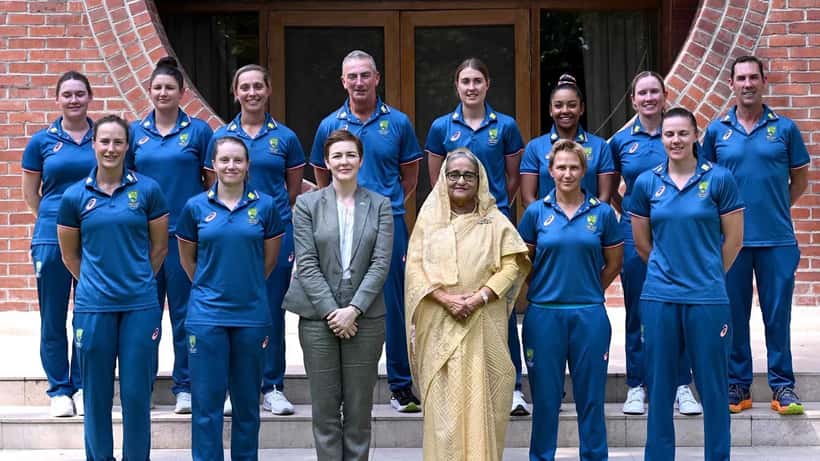
Australia's tour of Bangladesh opened on 9 June 2026 — the first ODI series between these nations in 15 years. On unfamiliar pitches at the Sher-e-Bangla National Cricket Stadium in Dhaka, in June heat that regularly exceeds 34°C, Australian cricketers are facing extraordinary mental pressure. Beyond the scorecards, there is another contest being played — one inside the heads of elite athletes on both sides.
A 15-Year Gap Creates Unique Psychological Stakes
Australia's long absence from Bangladesh means there is no institutional memory to draw on. Players who toured in 2011 have long retired; the current squad must navigate conditions they have never experienced at international level. Bangladesh, playing at home with familiar pitches and partisan crowds, holds a clear psychological advantage.
For batting line-ups facing unfamiliar spin on turning tracks, and fast bowlers managing heat, humidity and jet lag, the mental load is immense. Research published in the International Journal of Sport and Exercise Psychology found that depression levels in elite cricketers peak significantly during mid-season competition — precisely the phase this tour falls in. Anxiety levels remain elevated across the competitive season, with alcohol misuse also tracking upward during high-intensity periods.
What Cricket Does to the Mind
Cricket is unusual among major sports in the mental demands it places on individual athletes. A batter can prepare for hours and face two deliveries before their day is done. A bowler can deliver 25 overs under pressure without a single moment of mental relief. Unlike team sports with rolling substitutions, there is no bench to retreat to when performance anxiety peaks mid-session.
Performance anxiety in cricket shows up in specific documented ways:
- Pre-match rumination: Replaying previous dismissals in repetitive, intrusive loops the night before a game
- In-play overthinking: Losing automatic movement patterns under pressure — bowlers "forgetting" run-up mechanics, batters second-guessing footwork on unfamiliar surfaces
- Post-performance crash: Disproportionate emotional responses to a bad innings that affect sleep and appetite
- Selection fear: The persistent threat of being dropped in touring squads with limited spots, creating performance anxiety that compounds itself
A 2024 study on Australian women's cricketers found that fear of appearing weak and concerns about selection consequences were the primary barriers to athletes seeking mental health support — even when qualified professionals were available. The same pressures apply to men's cricket at every level.
The mental health demands of elite sport extend beyond cricket. Similar patterns have emerged among other high-profile athletes: Coco Gauff's 2026 season brought the pressure of young athletic stardom into focus, and Naomi Osaka's return to Roland Garros sparked fresh conversation about what performance anxiety looks like in practice. Cricket faces the same challenge — with less media attention on it.
Cricket Australia's Support Infrastructure
Cricket Australia has embedded a Lead Psychologist in its national programs for over 15 years, recognising that mental preparation is inseparable from physical performance. At the elite level, the AIS Mental Health Referral Network (MHRN) provides free, confidential psychological support for athletes, coaches, and support staff within Australia's high-performance sports system.
The MHRN connects athletes with expert psychologists and mental health clinicians who understand the specific pressures of high-performance sport — selection cycles, media scrutiny, touring life, and the emotional extremes of competing at the highest level. Coaches and support staff are also eligible, recognising that the mental load of elite cricket extends throughout the team environment.
The challenge is that most cricketers — the more than 1.5 million Australians who play at club, school, or community level — do not have access to this infrastructure. The mental health demands of competition apply at every level; the support does not scale the same way.
Warning Signs to Watch For
Normal pre-match nerves are a healthy feature of competition. But some symptoms indicate that professional support would help:
- Sleep disruption in the days before games — persistent difficulty falling or staying asleep linked to cricket
- Inability to reset after poor performances — low mood carrying into the following week
- Loss of pleasure in the game that previously brought enjoyment
- Physical symptoms before matches — nausea, heart racing, or tremors without physical cause
- Withdrawal from teammates or social activities during competitive periods
For young players in junior competitions, additional stressors apply: parental expectations, peer comparison, and the emotional development challenges that coincide with years of early cricketing involvement.
Getting Support as a Recreational Cricketer
In Australia, general practitioners can refer patients to registered psychologists under Medicare-rebated mental health care plans — up to 10 sessions per calendar year. Health professionals with sport performance experience can provide targeted support for performance anxiety, pre-competition stress, and season-related burnout.
ExpertZoom connects Australians with qualified health professionals, including those with expertise in performance psychology, available for online consultations suited to athletes managing competition schedules.
The AUS vs BAN series is a visible reminder that even the world's best cricketers face mental health challenges in unfamiliar conditions. The same pressures, scaled to local contexts, apply at every grade of the game.
Disclaimer: This article provides general information only and does not constitute medical or psychological advice. If you or someone you know is experiencing mental health difficulties, contact your GP or Lifeline on 13 11 14.
