 Olivia Miller
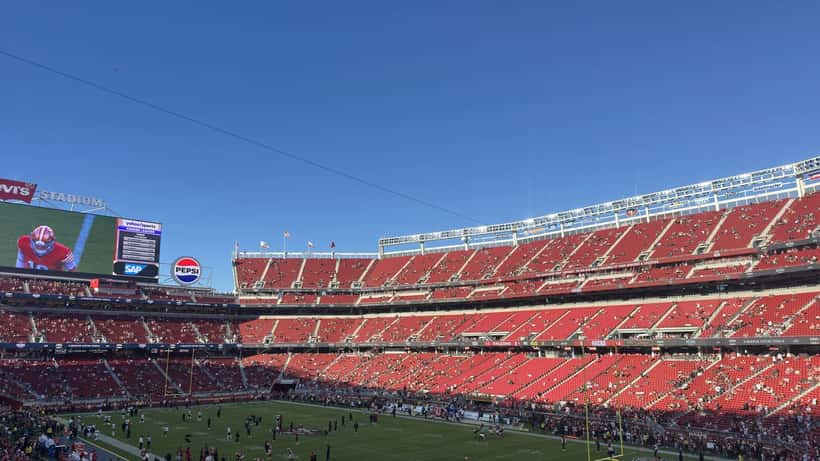
The San Francisco 49ers and Denver Broncos faced off in what many called the marquee NFL Week 4 matchup of 2026 — and the injury report made headlines before the opening whistle. With star defensive end Nick Bosa ruled out for the entire game and a string of 49ers skill players entering the week listed as day-to-day, the contest put a familiar question back in focus for the millions of Australians who follow the NFL: what actually happens to an athlete's brain when they take a serious hit to the head, and when does that become a medical emergency rather than a matter of simply "running it off"?
Why the NFL's Week 4 Clash Matters Beyond the Scoreboard
The 49ers–Broncos game lands at a moment when concussion science has never been better understood — or more legally fraught. According to NFL tracking data published in 2026, the league records roughly 7 concussions per 10 games played across a full season. The introduction of the dynamic kickoff format has contributed a 43% reduction in concussion rates on kickoff plays alone compared to the 2021–2023 average — a significant number, but one that still leaves thousands of head impacts to manage across the calendar year.
Since the 2022 Tua Tagovailoa scandal — in which the Miami Dolphins quarterback was cleared to return to play after a suspected concussion, only to suffer a serious neurological injury days later — the NFL has tightened its protocols substantially. Any player displaying ataxia (abnormality of balance, stability, motor coordination, or dysfunctional speech caused by a neurological issue) is now automatically removed from the game with no exceptions, regardless of whether team staff attribute the instability to a back or ankle injury. An independent neurological consultant attends every game with full authority to override coaching staff.
These are protections Australian community sports participants don't have. And that gap matters for every parent, coach, and weekend AFL or NRL player watching this Week 4 clash and wondering whether the same logic applies to their own Saturday morning injury.
What Australia's Overhauled 2026 Concussion Guidelines Actually Require
Australian sporting bodies have taken significant steps to address this question. In May 2026, the AFL released a comprehensive update to its concussion management framework — one of the most detailed revisions in the sport's history, partly in response to emerging legal action from former players citing long-term neurological harm.
The headline rule is unambiguous: the earliest a player can return to any competition after a diagnosed concussion is Day 12 — the twelfth calendar day after the injury was sustained. This minimum rest period applies regardless of how well the player appears to recover in the first few days.
That 12-day floor is underpinned by an 11-step return-to-play program divided across three stages: rest, recovery, and graded return to training and play. Every stage must be completed safely before progressing. If symptoms return at any point — a headache during a light jog, dizziness during ball-handling drills — the player must drop back to an earlier step and restart. There are no shortcuts built into the framework, as detailed in the AFL's official 2026 concussion guidelines.
The NRL operates under a slightly shorter but equally strict standard: an 11-day mandatory stand-down period after a diagnosed concussion. Both codes now explicitly require return-to-school guidance alongside return-to-play guidance — a recognition that young athletes face cognitive demands in the classroom that can be just as taxing on a recovering brain as physical training.
A Realistic Scenario: When "Just Rest It" Isn't Enough
Consider a situation that plays out on hundreds of ovals and fields across Australia every Saturday. A 17-year-old AFL junior takes an incidental collision during training — no loss of consciousness, but she feels dizzy and develops a moderate headache that persists through the evening. Her parents assume it's a mild knock and tell her to rest over the weekend.
Under the AFL's 2026 framework, this player cannot return to any training session or match until at least Day 12. Not "a few days off" — a minimum of twelve days, with structured progression through each recovery phase before she laces up again.
Here's the key threshold: if symptoms including headache, brain fog, light sensitivity, or difficulty concentrating persist beyond 10 to 14 days, the injury has moved outside the expected recovery window and requires professional assessment. Research suggests approximately 20–30% of concussions in adolescent athletes fall into this "prolonged" category, where passive rest alone is insufficient and active rehabilitation guided by a healthcare professional produces significantly better outcomes.
The financial and practical stakes are concrete. A 17-year-old missing three weeks of school-level assessment preparation due to unmanaged post-concussion syndrome — compounded by two months of disrupted sleep and concentration — faces real academic consequences. A single appointment with a sports medicine physician at around $150–$250 out of pocket (or bulk-billed through a GP referral) can mean the difference between a guided recovery plan and a guessing game that stretches recovery from weeks into months.
The Gap Between Elite Protocols and Community Sport
What the NFL's Week 4 broadcast illustrates is the gulf between elite and community-level injury management. In the NFL, a player who takes a borderline head knock is immediately assessed by a certified athletic trainer using the SCAT5 (Sport Concussion Assessment Tool), reviewed by an independent physician not affiliated with either team, and if necessary removed to a quiet room for comprehensive neurological evaluation — all within minutes, during a live broadcast.
In Australian community sport, that safety net rarely exists. A volunteer first-aid coordinator, a well-meaning parent on the sideline, or even a club physio without specific concussion training may assess the same injury and clear a player too early — particularly if the player themselves insists they feel fine, which is common given that concussion symptoms often worsen hours after the initial incident rather than immediately.
This is precisely where a consultation with a sports medicine specialist or GP with concussion training makes a measurable difference. Objective assessments — balance testing, cognitive processing speed, visual tracking — can reveal deficits invisible to casual observation. A clinician can also identify whether a young person's symptoms are being complicated by anxiety, sleep disruption, or screen exposure, each of which slows neurological recovery and requires targeted intervention. If you want a broader understanding of CTE risk in contact sport, our earlier coverage of NFL head injuries and what Australian fans should know provides useful context.
Five Things Every Australian Sports Family Should Do After a Head Knock
- Remove from play on the day, no exceptions. Both AFL and NRL now follow a "if in doubt, sit it out" rule — no same-day return under any circumstances.
- Monitor for 24–48 hours. Worsening headache, vomiting, deteriorating consciousness, seizures, or limb weakness are emergency symptoms requiring immediate hospital care.
- See a GP within 48 hours for formal diagnosis if symptoms persist beyond the initial few hours, particularly in children under 18.
- Follow the full return-to-play program — do not skip stages regardless of how recovered the player appears. The 11-step AFL framework exists because neurological recovery doesn't always track with subjective wellbeing.
- Seek specialist referral if symptoms persist beyond 10–14 days. A sports medicine physician can prescribe active rehabilitation — vestibular therapy, cognitive rehabilitation, graded exercise — rather than simply recommending more rest.
For families navigating the uncertainty between "needs rest" and "needs a doctor," this is exactly the kind of decision that benefits from professional input. A consultation with a sports medicine expert or GP specialising in concussion can provide a personalised recovery plan — and the peace of mind that comes with knowing your athlete isn't being rushed back to the field before their brain is ready.
Whether the 49ers or Broncos won the Week 4 battle matters far less than whether your own athlete is getting the right care after their next Saturday collision.
This article provides general health information only and does not constitute medical advice. Always consult a qualified healthcare professional for the diagnosis and management of head injuries.
